Surprising Sea Otter Facts | A Day with a Mother and Pup
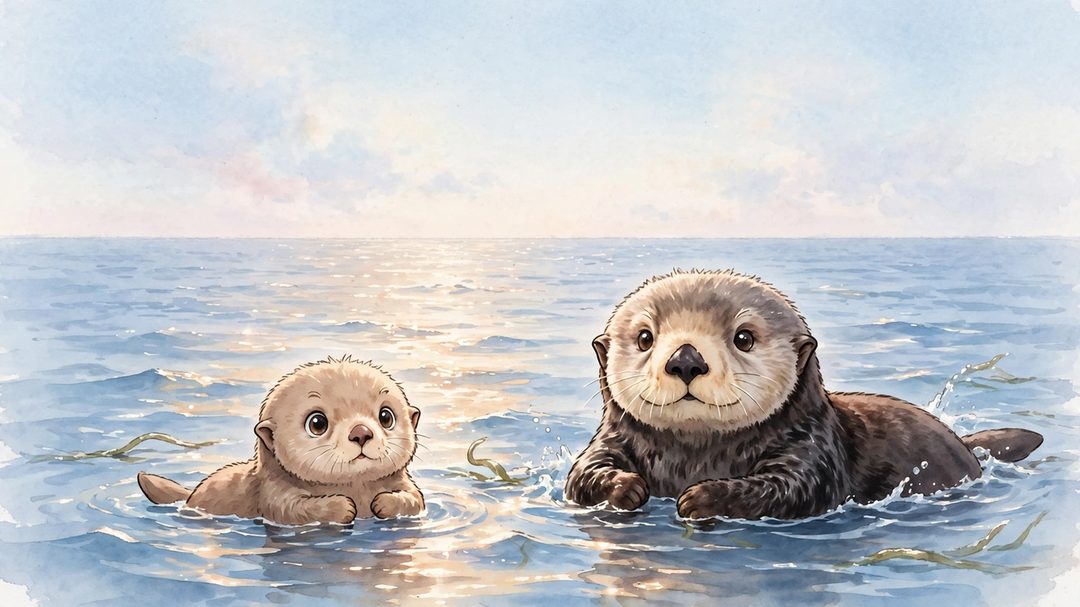
Today, we follow a sea otter mother and her pup through their day. They eat, sleep, and live their whole lives on the cold sea. We will look at the small, clever ways they get through each day.
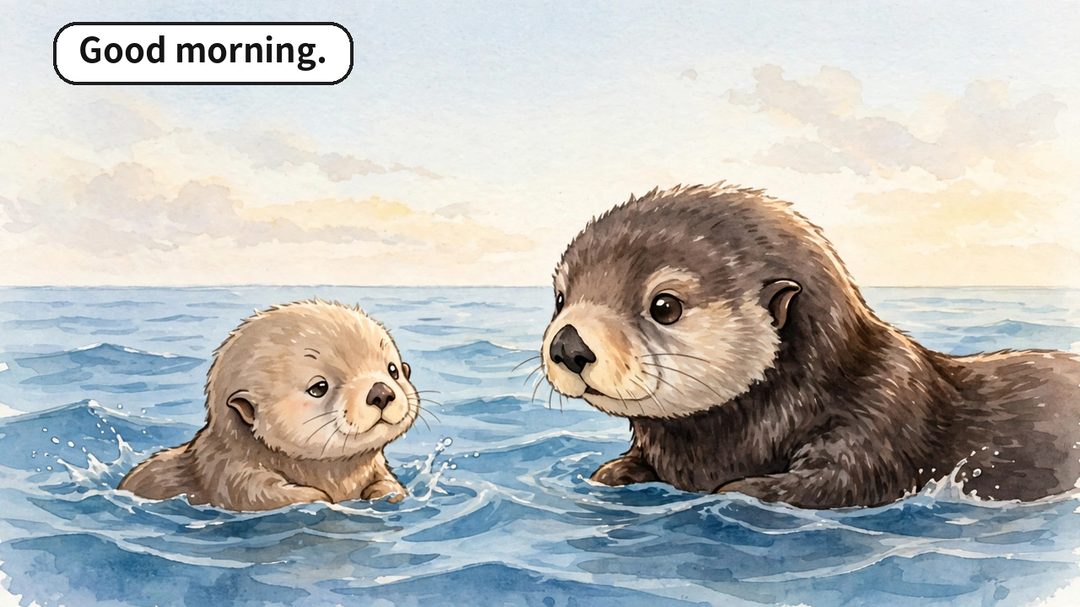
Morning light reaches the water. The mother and pup wake up on the waves. The little pup opens its eyes beside its mother.
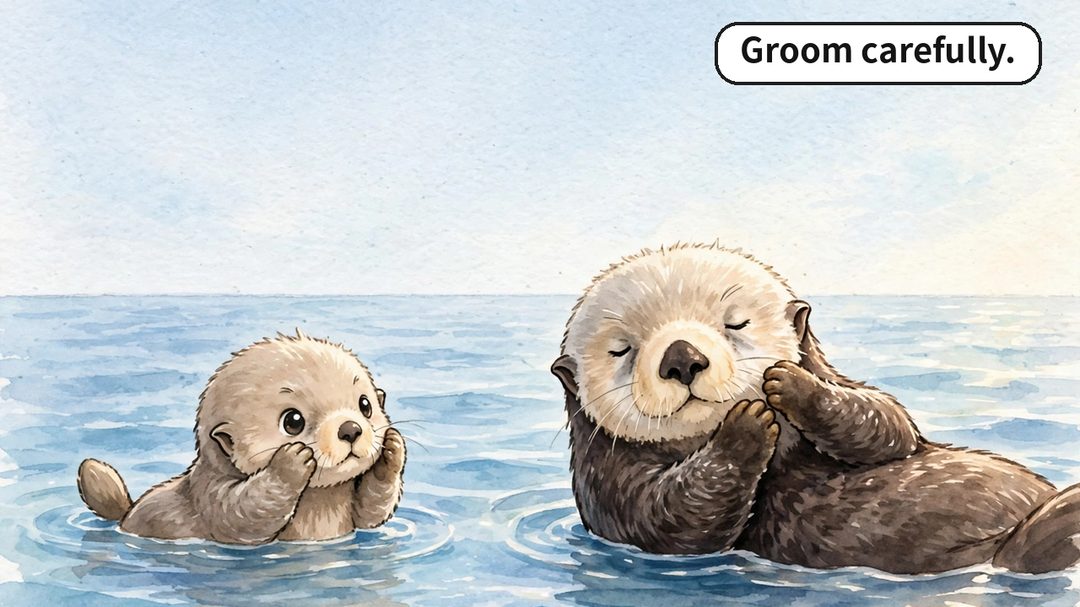
Their first job of the day is grooming. Together, they start rubbing their faces and bodies. They carefully tend their fur, about one hundred thousand hairs in every square centimeter. As they groom, they work air into their fur.
That air keeps their bodies warm, and it helps them float. Sometimes they seem to blow into their fur, puffing it up, soft and full.
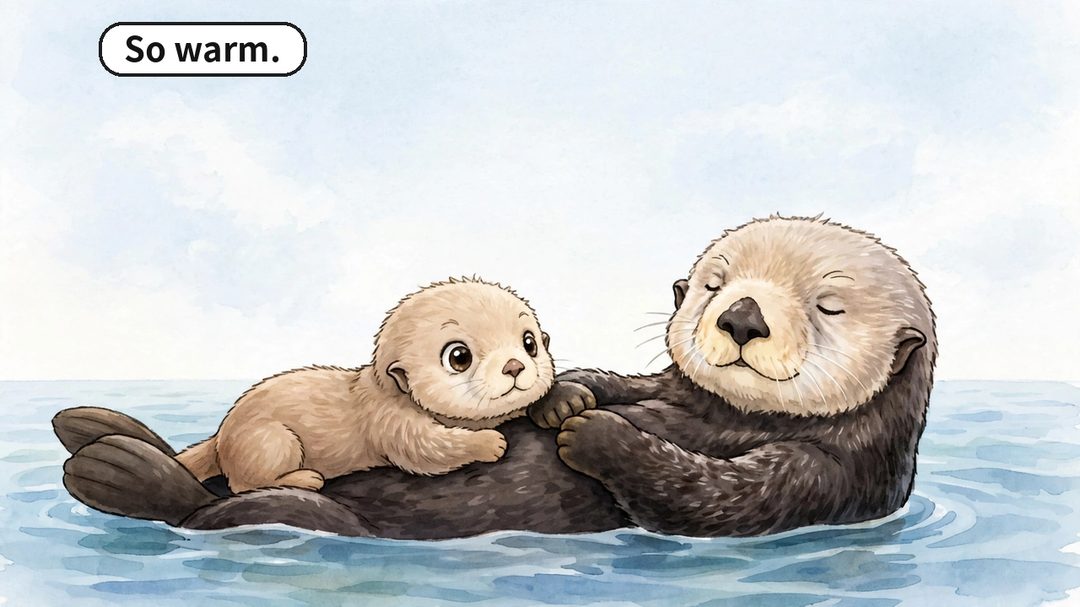
The pup is not a strong swimmer yet. When they travel, it rides on its mother. A newborn pup cannot do anything on its own. On its mother's chest, it drinks milk and gets its fur groomed.
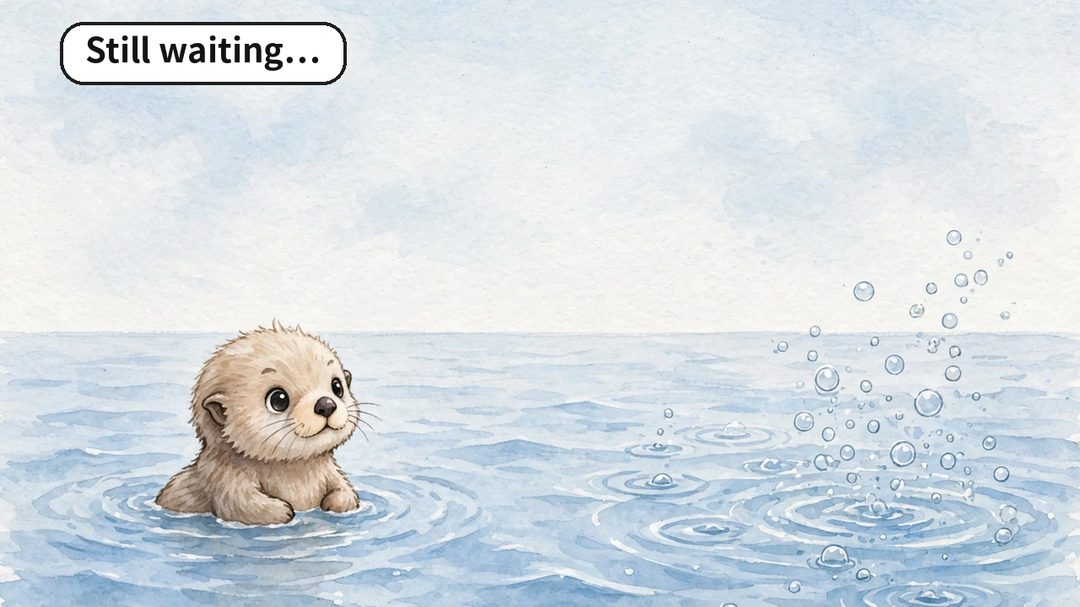
Now it is time to find breakfast. The mother slips down into the water. The pup's fluffy fur floats so strongly that it cannot dive yet. It waits on the waves for its mother. About a minute later, the mother surfaces with a shellfish in her mouth.
The pup scrambles up onto its mother's chest.
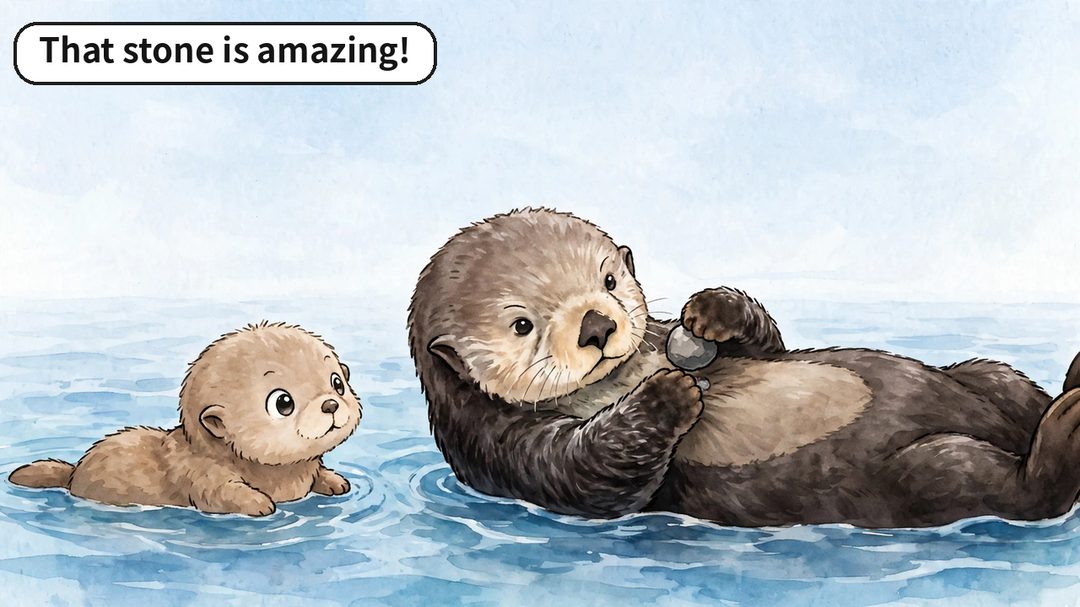
Floating on her back, the mother starts preparing breakfast on her belly. She reaches into a pocket under her arm. That pocket is made of loose skin. Out comes the stone she carries with her every day, her favorite stone.
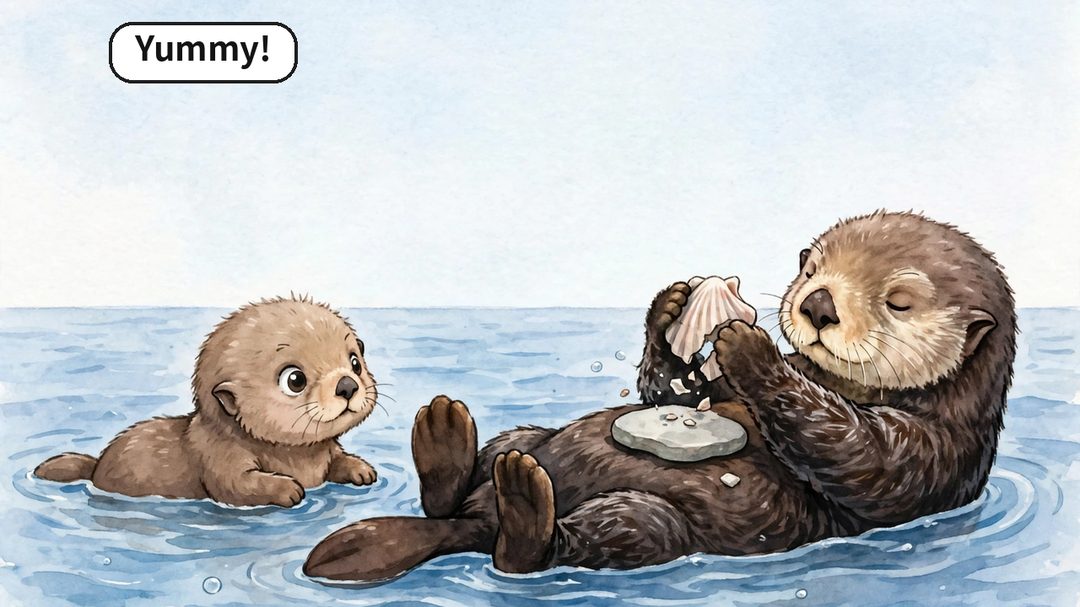
She lays the stone on her belly and pounds the shell against it. Crack, crack — the shell breaks open. With the flat molars at the back of her mouth, she crunches through the hard shells as she eats.
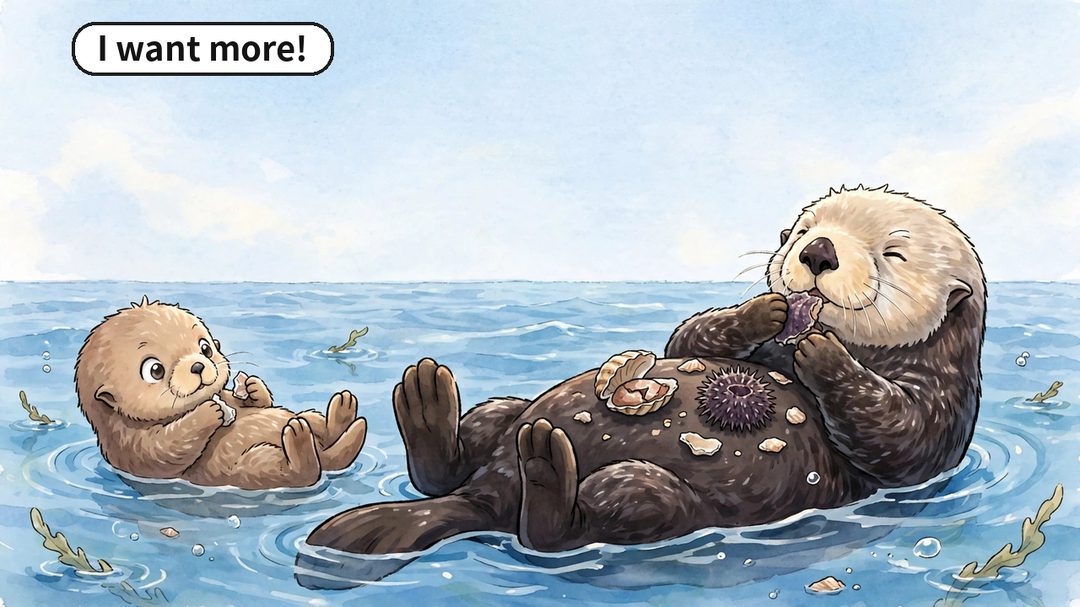
For breakfast, they eat shellfish, and also sea urchins, crabs, and other creatures from the sea floor. The pup gets a small piece of shellfish, too. To keep their bodies warm in the cold sea, the two of them eat about a quarter of their body weight in food every day.
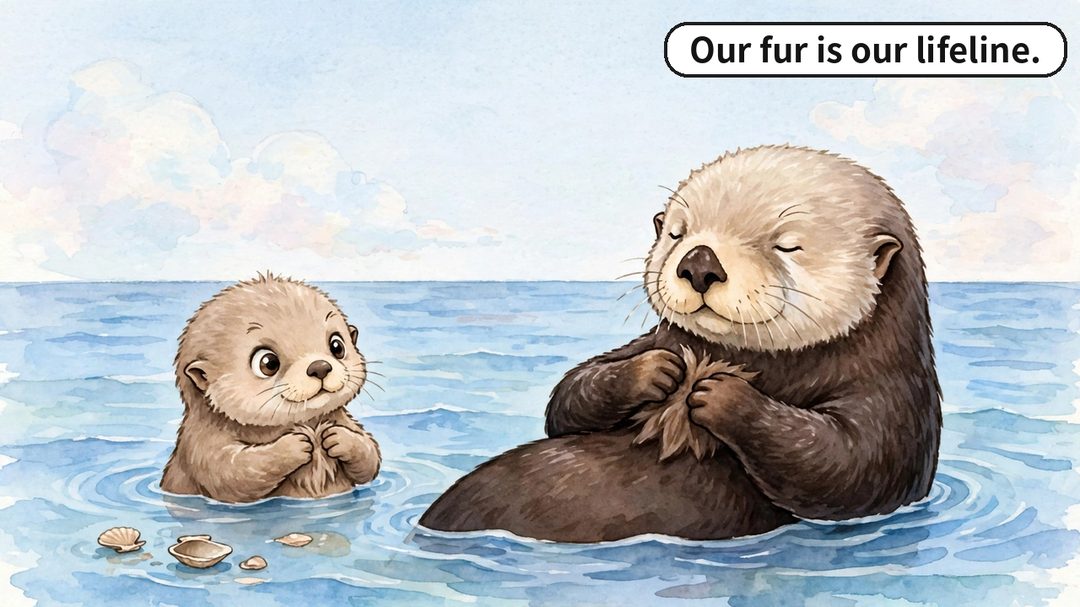
After the meal, it is time to groom once more. A sea otter's body has almost no layer of fat, so in the cold sea, only this thick fur keeps it warm.
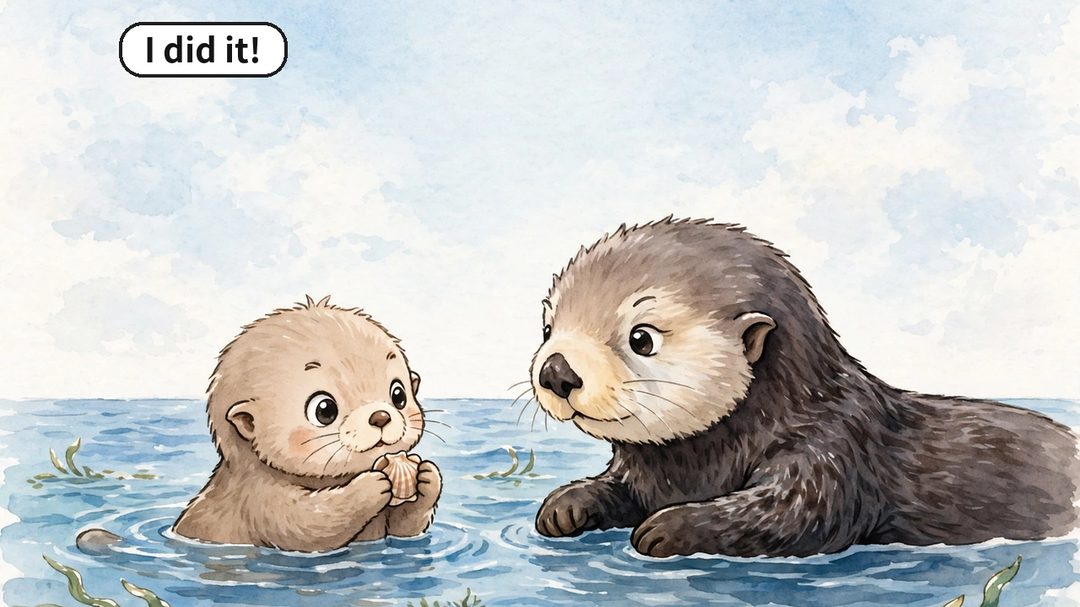
Beside its mother, the pup picks up a small shell and starts to copy her. Little by little, the pup learns how to swim, and how to use tools, right at its mother's side. For about the first six months of its life, the pup stays with its mother, getting ready to live on its own.
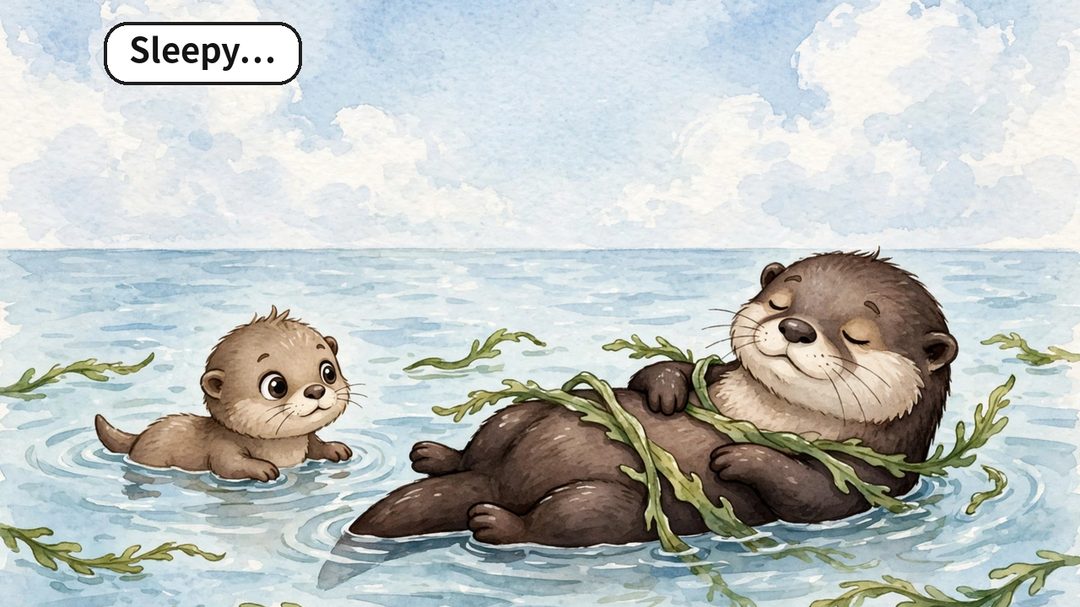
Midday comes. Tired from playing, the two make their way to a bed of kelp. So the waves will not carry them away while they sleep, they wrap the kelp around their bodies.
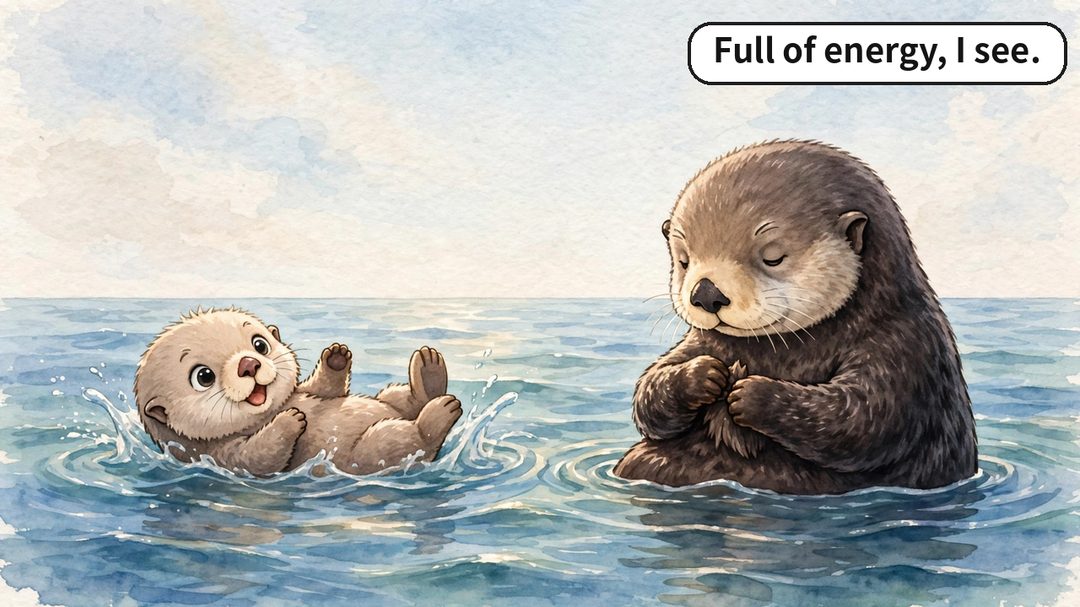
They wake to the sound of the waves, and the sky has turned to afternoon colors. The pup rolls over and smooths its fur back into place. Beside it, the mother grooms her fur, slow and unhurried.
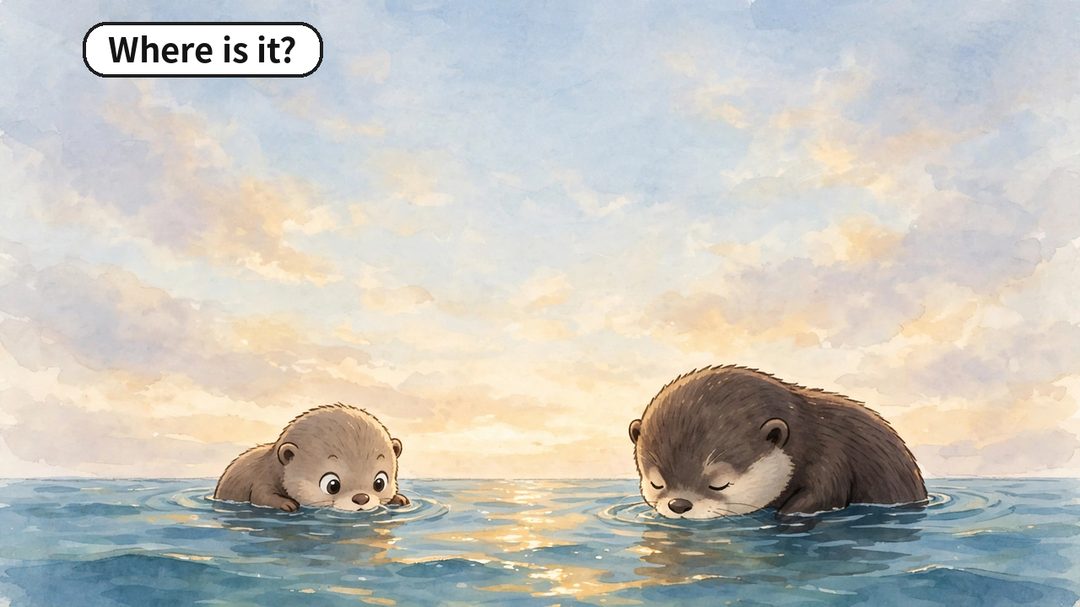
In the evening, the two head out to eat once more. The pup peers into the water at its mother's side. With the long whiskers around her mouth and the sharp sense of touch in her front paws, the mother finds prey on the sea floor.
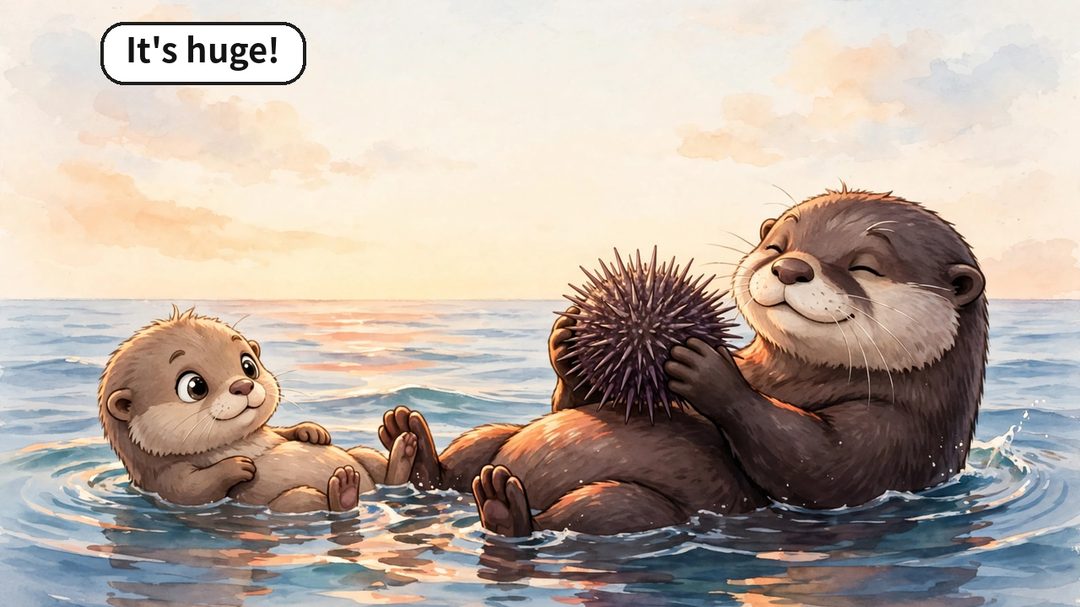
The mother has brought back a big sea urchin. The two eat quietly in the evening light. If sea urchins grow too many, they eat up all the kelp. Because sea otters eat the urchins, the kelp forests are kept safe.
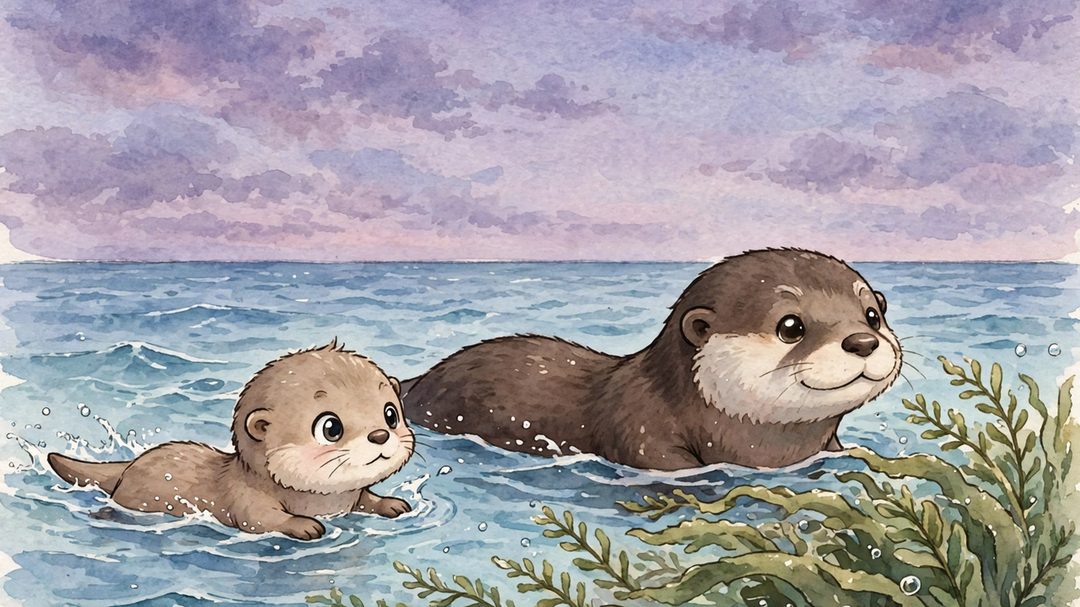
The sun sinks low. The two return to the kelp bed where they will sleep.
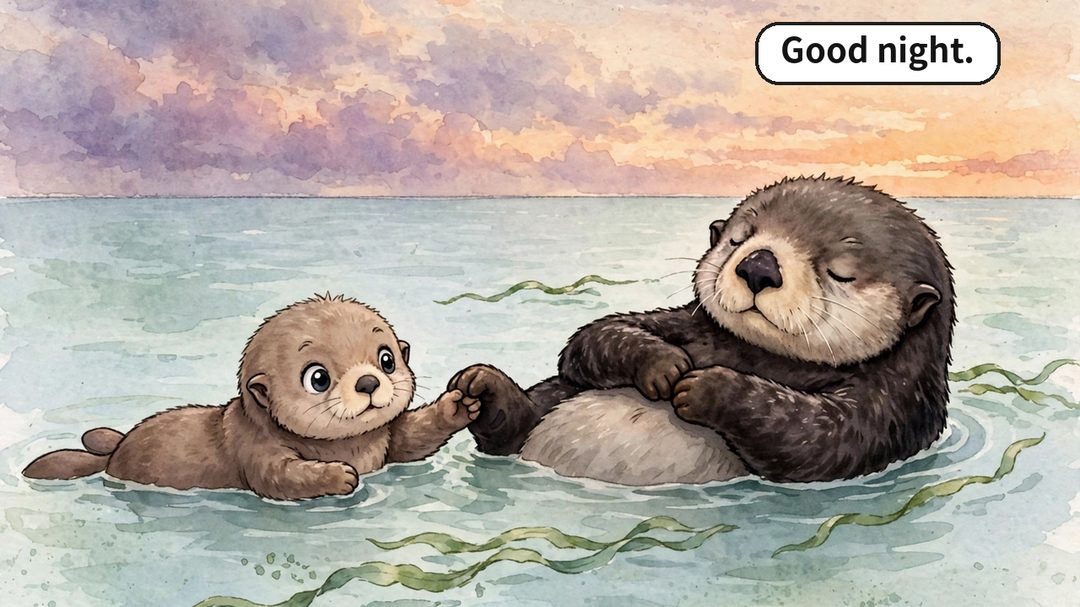
Before they sleep, mother and pup gently take hold of each other's paws, so they will not drift apart. Rocked by the waves, their day comes to a quiet end.
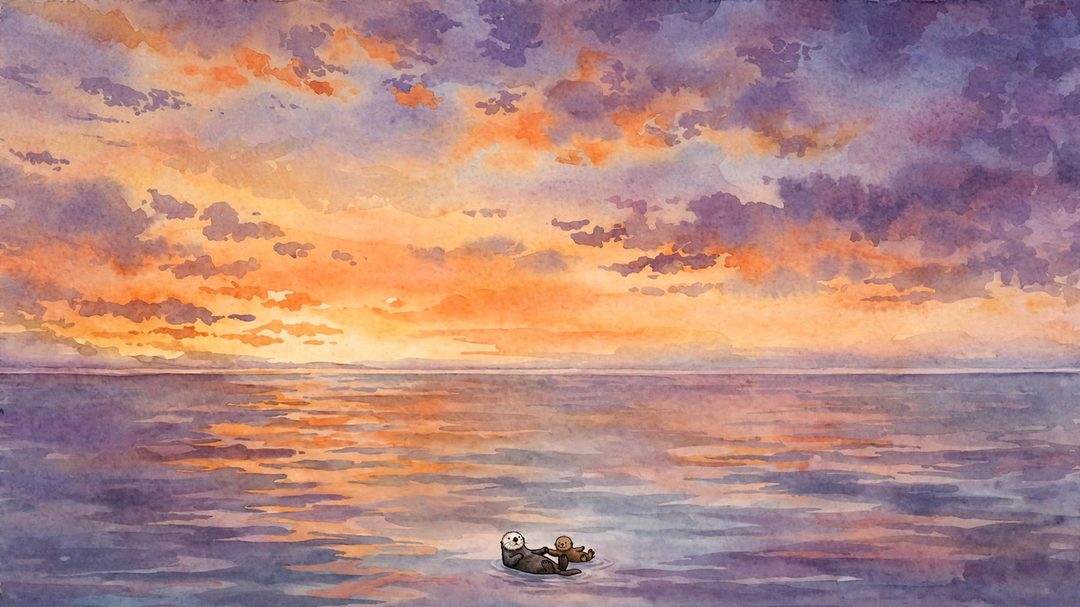
A sea otter's life in the cold sea is made of careful grooming, plenty of food, and the small, clever ways of a mother and pup.
Knowledge cards
Sources
- 鳥羽水族館「ラッコペディア(ラッコの生態)」https://aquarium.co.jp/seaotter/pages/ecology/
- Monterey Bay Aquarium「Sea Otter」https://www.montereybayaquarium.org/animals/animals-a-to-z/sea-otter
- Aquarium of the Pacific「Southern Sea Otter(Online Learning Center)」https://www.aquariumofpacific.org/onlinelearningcenter/species/southern_sea_otter
- San Diego Zoo Wildlife Alliance「Sea Otter」https://animals.sandiegozoo.org/animals/sea-otter
- Animalia「Sea Otter」https://animalia.bio/sea-otter
- The animals' conversations (speech bubbles) in the stories are imagined.